Heating systems are essential for maintaining comfortable indoor temperatures during Northern Colorado's colder months.
While forced-air systems are common, many residential and commercial properties use boilers and hydronic heating to distribute warmth through water-based heating equipment.
Understanding how these systems work can help property owners recognize performance problems, plan maintenance, and decide when repairs or upgrades are necessary.
What Is Hydronic Heating?
Hydronic heating uses heated water to distribute warmth throughout a building.
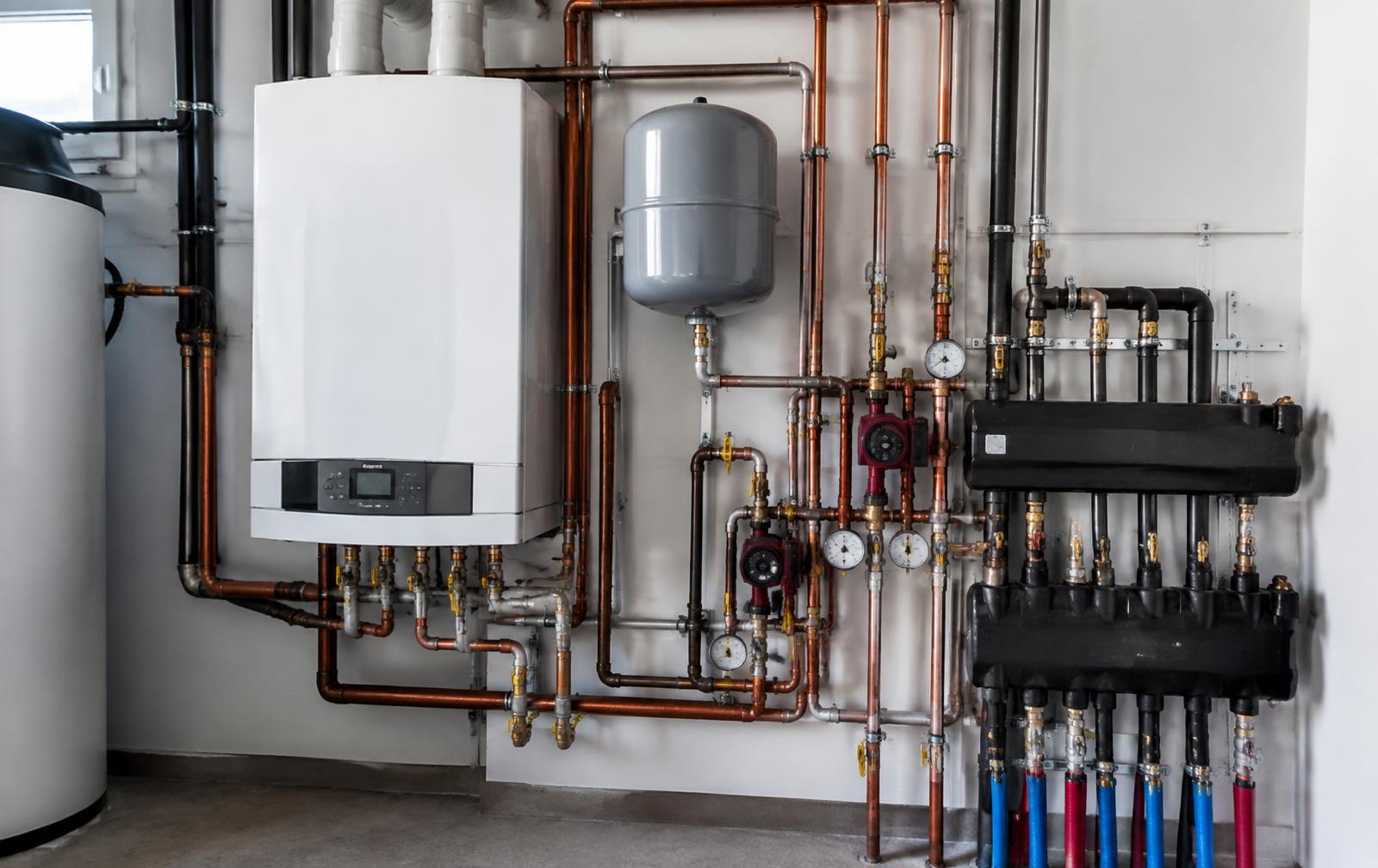
A boiler heats water, which circulates through pipes connected to radiators, baseboard heaters, radiant flooring, or other heating components.
The system transfers heat into the surrounding space before the water returns to the boiler to be heated again.
Hydronic heating can provide comfortable, consistent warmth when the system is properly designed, balanced, and maintained.
How Do Boiler Systems Work?
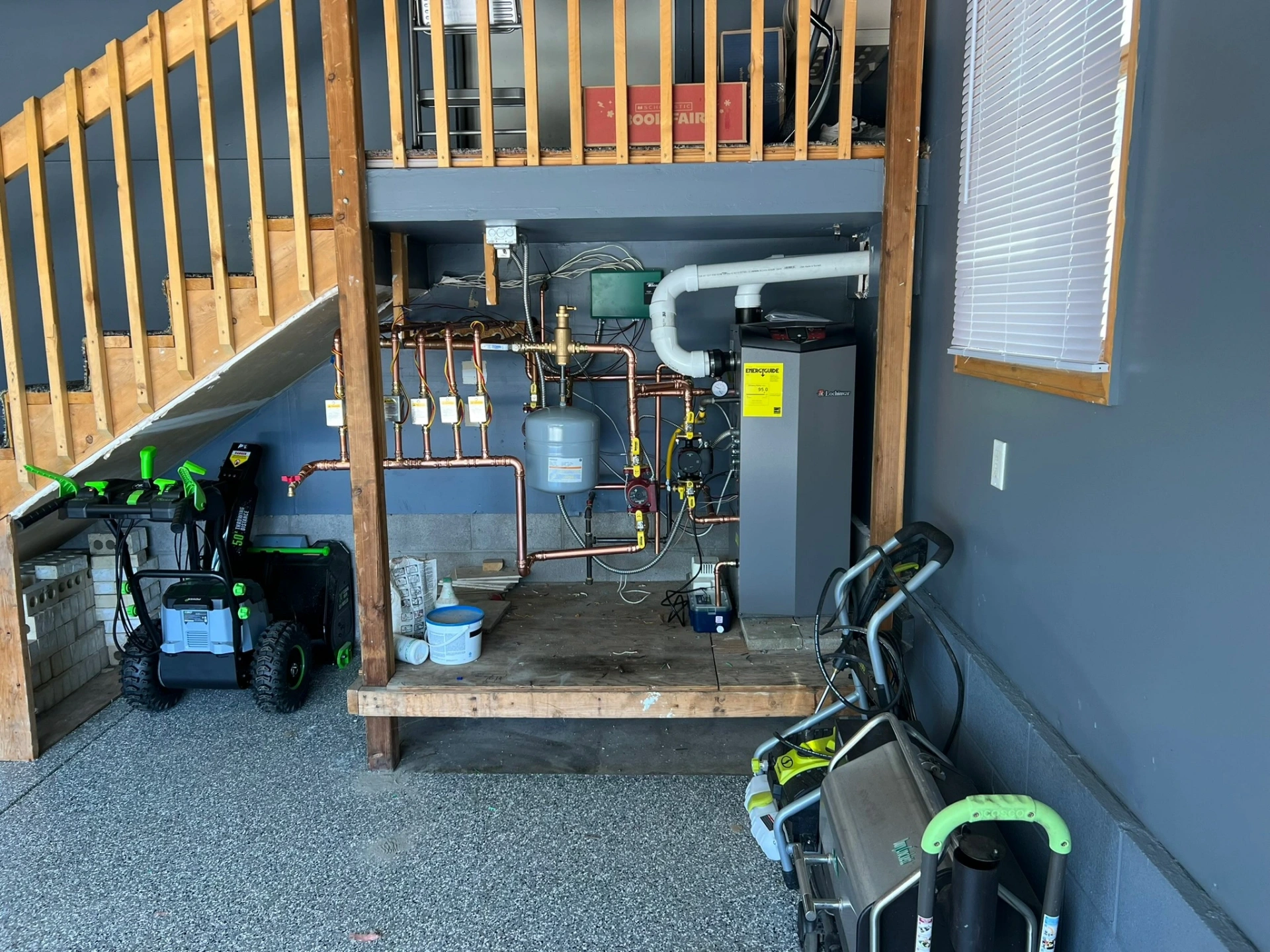
The boiler is responsible for heating the water that circulates through the system.
Circulator pumps move water through the piping, while controls and thermostats regulate heating demand.
Depending on the installation, the system may use multiple heating zones to manage temperatures in different parts of the property.
Modern boilers may also offer improved efficiency and more precise controls compared with older equipment.
Benefits of Hydronic Heating
One advantage of hydronic heating is its ability to distribute warmth through radiators, baseboards, or radiant floors.
Radiant floor heating can provide comfortable surface temperatures without requiring heated air to move through ductwork.
Zoned systems also allow different areas of a building to receive heat based on their individual requirements.
This can be particularly useful for larger homes, commercial buildings, and properties with rooms that have different heating needs.
Common Boiler and Hydronic Heating Problems
Like any mechanical system, boilers require inspection and maintenance.
Potential warning signs include uneven heating, unusual noises, leaks, pressure fluctuations, and rooms that fail to reach the desired temperature.
Circulator pumps, zone valves, air separators, expansion tanks, and controls can also develop problems over time.
An inspection helps determine whether the problem involves the boiler itself or another component of the hydronic system.
Why Proper Boiler Sizing Matters
A boiler that is too small may struggle to heat the property during colder weather.
An oversized system can cycle frequently and operate less efficiently than intended.
Proper sizing considers the building's heating requirements, insulation, layout, and existing distribution system.
A qualified contractor can evaluate these factors when recommending a new boiler or replacement system.
Residential Boiler and Radiant Heating Applications
Hydronic heating is used in many residential applications, including homes with radiator systems, baseboard heating, and radiant flooring.
Homeowners may consider a boiler upgrade when renovating an older property, replacing outdated equipment, or improving temperature control.
Existing hydronic systems can sometimes be upgraded through improved controls, pumps, or other components without replacing every part of the system.
A professional evaluation helps identify the most practical improvements.
Commercial Boiler and Hydronic Service
Commercial properties may use hydronic systems to heat offices, multi-unit buildings, and other occupied spaces.
Reliable heating is important for employee comfort, tenant satisfaction, and normal business operations.
Commercial boiler maintenance should consider equipment condition, system pressure, heating zones, controls, and water quality.
Scheduling service before equipment fails can help reduce unexpected interruptions during colder months.
When Should You Repair or Replace a Boiler?
A malfunctioning boiler does not always need replacement.
Some issues can be resolved by repairing controls, pumps, valves, or other components.
Replacement may be worth considering when the equipment is aging, repairs become frequent, or the system no longer meets the property's heating needs.
The decision should account for equipment condition, repair costs, system performance, and long-term operating requirements.
Boiler and Hydronic Heating Services in Northern Colorado
OnGrade Plumbing & Excavation provides boiler and hydronic heating services for residential and commercial properties across Northern Colorado.
Our team works with boiler installations, repairs, replacements, hydronic piping, and related heating components.
We help property owners identify system problems, understand their options, and choose an appropriate solution for their building.
Need boiler repair or hydronic heating service? Contact OnGrade Plumbing & Excavation to discuss your system and schedule an assessment.