Water filtration is not a one-size-fits-all service. The right system depends on what is in your water, what problems you want to solve, how much water your household uses, and where you want filtration installed.
Some homeowners want better-tasting drinking water. Others want to reduce sediment, chlorine, odors, mineral deposits, or scale throughout the property. Choosing the right system starts with understanding the difference between common filtration options.
Whole-Home Water Filtration
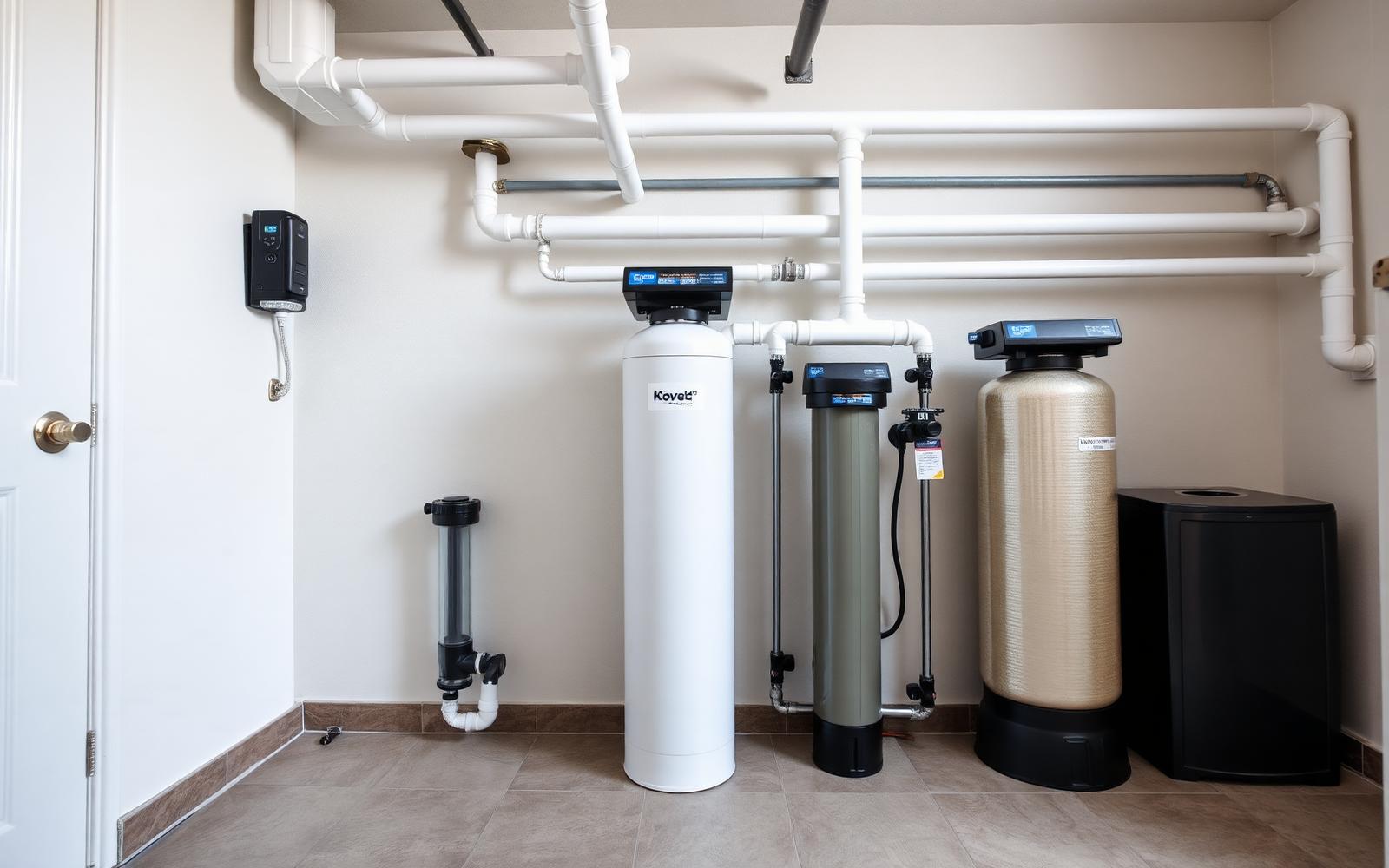
A whole-home filtration system treats water as it enters the property. This means filtered water reaches showers, sinks, appliances, and plumbing fixtures throughout the house.
Whole-home systems may help reduce sediment, chlorine, odors, and other unwanted substances depending on the filter media. They can also help protect water heaters, washing machines, faucets, and valves from certain types of buildup.
The system must be sized for the home's flow rate so it does not create a noticeable drop in water pressure.
Reverse Osmosis Systems
Reverse osmosis, often called RO, is usually installed under a kitchen sink or at another point of use. It uses multiple filtration stages and a membrane to reduce a broad range of dissolved substances.
RO systems are commonly used for drinking water, cooking, coffee, and ice makers. They include a storage tank because the filtration process takes time.
Proper installation should include a dedicated faucet, drain connection, air gap when required, shutoff valve, and accessible filters for maintenance.
Sediment Filters
Sediment filters capture particles such as sand, rust, dirt, and debris. They may be used as a standalone solution or as the first stage before carbon, softening, or reverse osmosis equipment.
A sediment filter can protect plumbing fixtures and other filtration components from clogging. The filter rating and housing size should match the type and amount of sediment present.
Filters that are too restrictive may reduce pressure, while filters that are too coarse may not capture smaller particles.
Carbon Filtration
Carbon filters are commonly used to reduce chlorine taste, odors, and certain organic compounds. They are available for whole-home and point-of-use applications.
The correct carbon media depends on the water source and treatment goals. Filter capacity also matters because exhausted media will no longer provide the same level of performance.
Regular replacement is necessary to maintain water quality and flow.
Water Softeners and Conditioners
Water softeners address hardness minerals that can cause scale on fixtures, glass, appliances, and water-heating equipment. A traditional softener uses ion exchange and requires salt and a drain connection.
Water conditioners use different technologies and may reduce how minerals form deposits without removing them in the same way as a softener. Results vary based on water chemistry and the specific system.
A water test can help determine whether hardness is the main concern or whether filtration is also needed.
Point-of-Use vs. Whole-Home Filtration
Point-of-use systems treat water at a single location, such as the kitchen sink. They are useful when the main goal is improved drinking and cooking water.
Whole-home systems treat water for the entire property. They may be better when concerns affect showers, laundry, fixtures, or appliances.
Some homes benefit from both. A whole-home filter can handle sediment and chlorine, while a reverse osmosis system provides additional treatment at the kitchen sink.
Signs Your Home May Benefit From Filtration
Consider professional water filtration if you notice chlorine taste or odor, cloudy water or visible sediment, rust-colored particles, mineral buildup on faucets and shower doors, dry-feeling skin after bathing, frequent appliance scale, poor-tasting coffee or ice, or heavy use of bottled water.
These signs do not always point to the same cause. Testing and system selection should happen before equipment is installed.
Why Proper Installation Matters
A filtration system must be installed with the correct flow direction, pipe size, bypass valves, shutoffs, drains, and pressure considerations. Poor installation can cause leaks, low pressure, difficult filter changes, or ineffective treatment.
The equipment also needs enough space for future maintenance. Filters, membranes, tanks, and media must remain accessible.
A professional installer can also explain replacement schedules and help prevent missed maintenance.
Get Cleaner Water With the Right System
The best water filtration system is the one designed around your water and household needs. Installing more equipment than necessary adds cost, while installing the wrong equipment may not solve the original problem.
OnGrade Plumbing & Excavation installs whole-home filtration, sediment filters, carbon systems, reverse osmosis units, softeners, and related plumbing throughout Northern Colorado. We review your concerns, recommend practical options, and complete a clean, serviceable installation.