Northern Colorado winters are hard on plumbing. With temperatures regularly dropping below freezing and Front Range wind chills making it feel even colder, unprotected pipes can freeze, crack, and cause thousands of dollars in water damage.
The good news is that most freeze damage is preventable. A few targeted steps before the first hard freeze can protect outdoor spigots, crawl spaces, water heaters, and main supply lines. This guide covers what works specifically for Northern Colorado homes.
When to Winterize in Northern Colorado
In the Fort Collins, Loveland, and Greeley areas, the first hard freeze usually arrives between mid-October and early November. Waiting until December is risky. Start winterizing outdoor plumbing in early October, and complete indoor prep before Thanksgiving.
Homes at higher elevations or in exposed areas should start even earlier. If you are in Wellington, Red Feather Lakes, or the foothills, plan for freeze protection by early October at the latest.
1. Drain and Shut Off Outdoor Spigots (Hose Bibs)
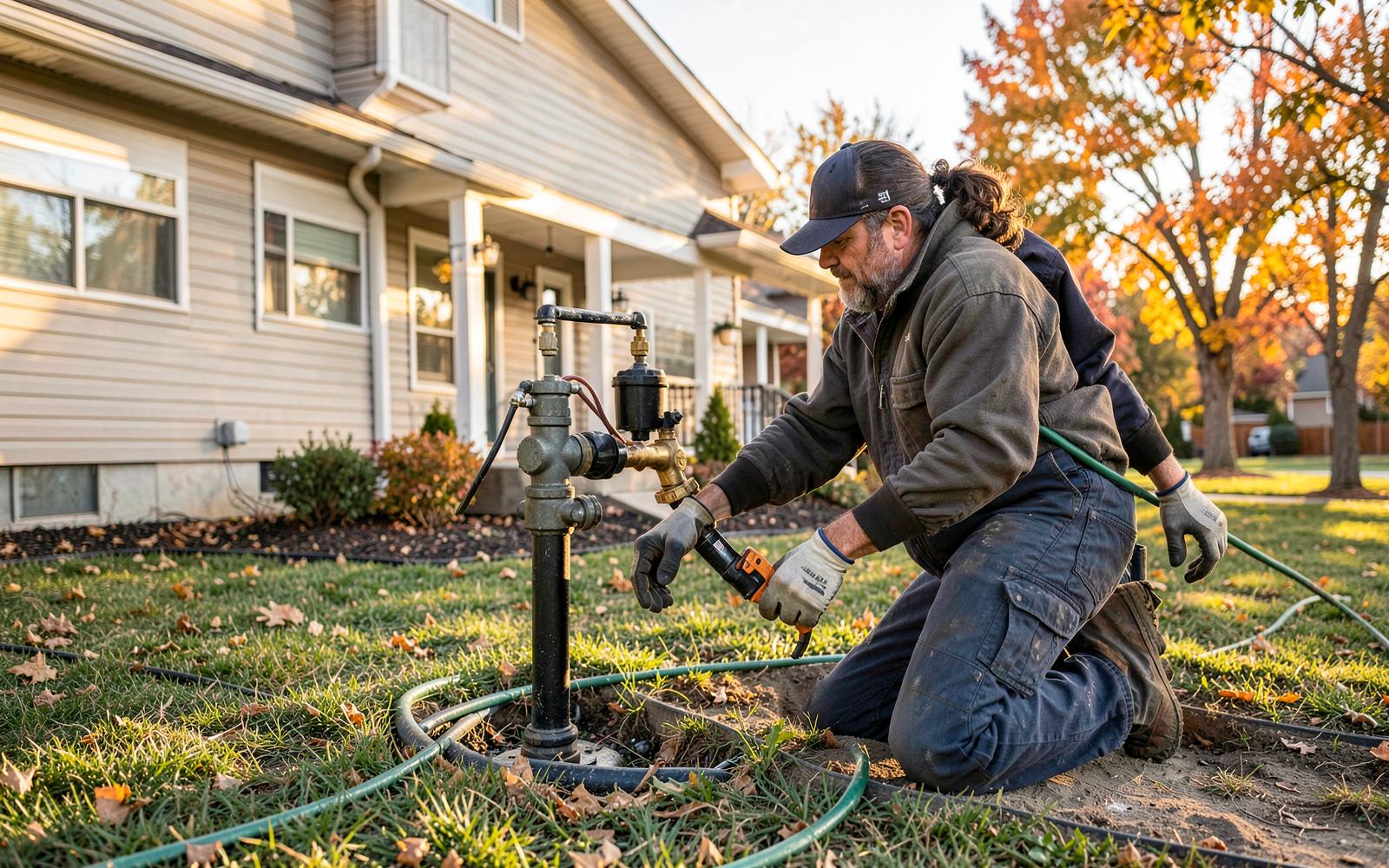
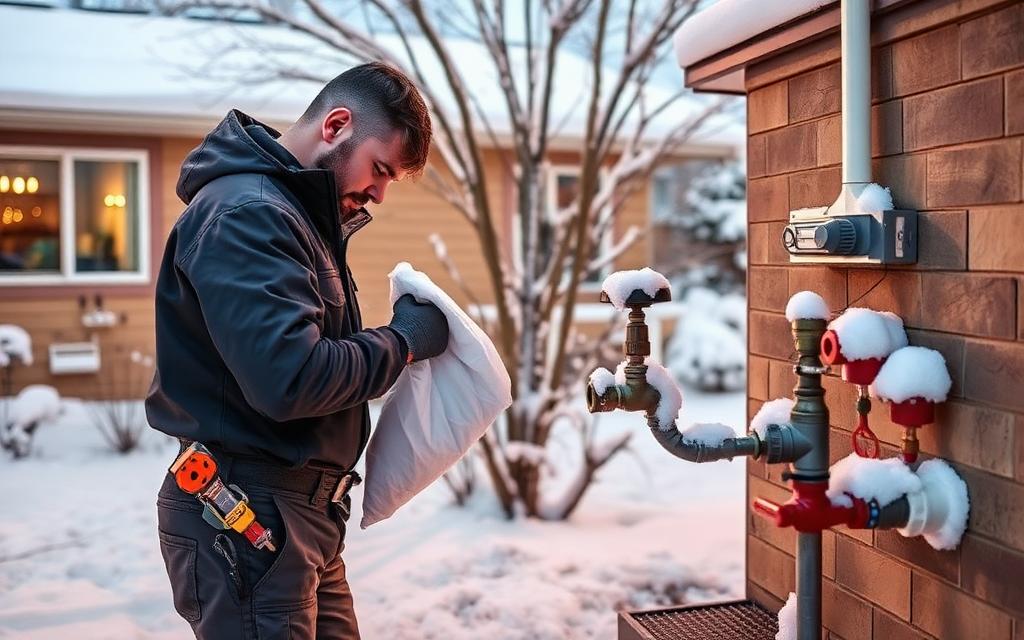
Outdoor spigots are the most common freeze point in Colorado homes. Water trapped inside the faucet or the short pipe behind it can freeze, expand, and split the copper or PVC.
Start by disconnecting all garden hoses. Leaving a hose attached traps water in the spigot and makes freezing far more likely. Drain hoses completely and store them in a garage or shed.
Next, shut off the interior water valve that feeds each outdoor spigot if your home has shut-off valves. Open the outdoor spigot fully to let any remaining water drain out. Leave it open slightly so pressure does not build if a small amount of water remains.
2. Install Frost-Proof Hose Bibs or Insulated Covers
If your outdoor spigots are standard models, consider upgrading to frost-proof hose bibs. These have a long stem that extends inside the heated portion of the home, so the actual valve seat stays warm.
If replacement is not practical, install insulated faucet covers. Foam covers are inexpensive and widely available, but they only help if the spigot is fully drained first. A cover on a spigot full of water will not prevent freezing.
3. Insulate Pipes in Crawl Spaces and Unheated Areas
Pipes running through crawl spaces, attics, garages, and exterior walls are exposed to outside air. In older Northern Colorado homes, these areas often lack adequate insulation.
Use foam pipe insulation sleeves on all exposed copper or PVC lines. Pay special attention to pipes near foundation vents, rim joists, and anywhere you can see daylight. For areas with extreme exposure, heat tape with a built-in thermostat adds active protection.
Seal crawl space vents with rigid foam board or thick plastic during winter months. Just remember to reopen them in spring to prevent moisture buildup. Some homeowners install vent covers with magnetic or slide closures for easier seasonal switching.
4. Protect the Main Water Supply Line
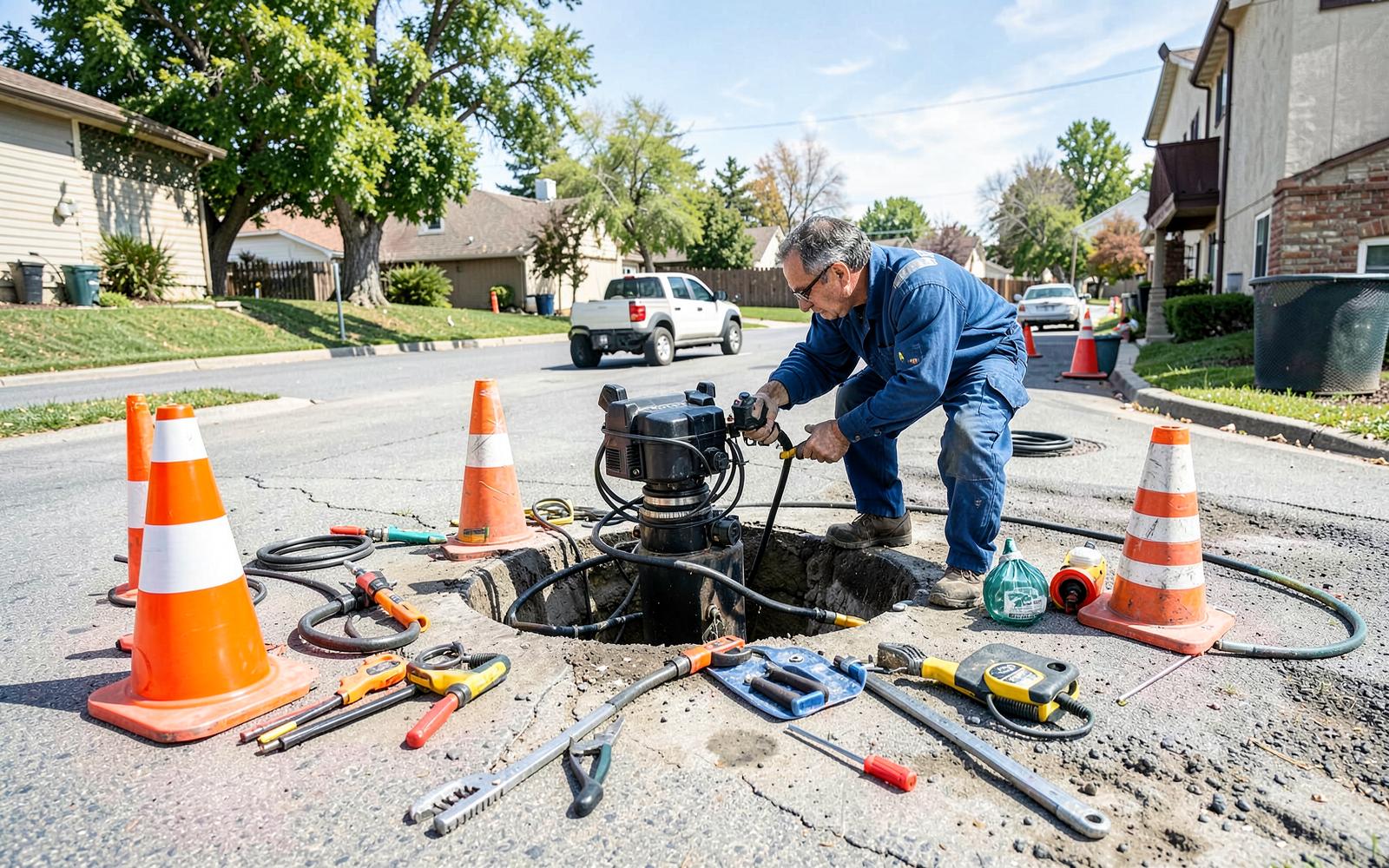
The water service line that runs from the meter or well to your home is usually buried below the frost line. But the section near the foundation, the pressure regulator, and the shut-off valve can be vulnerable.
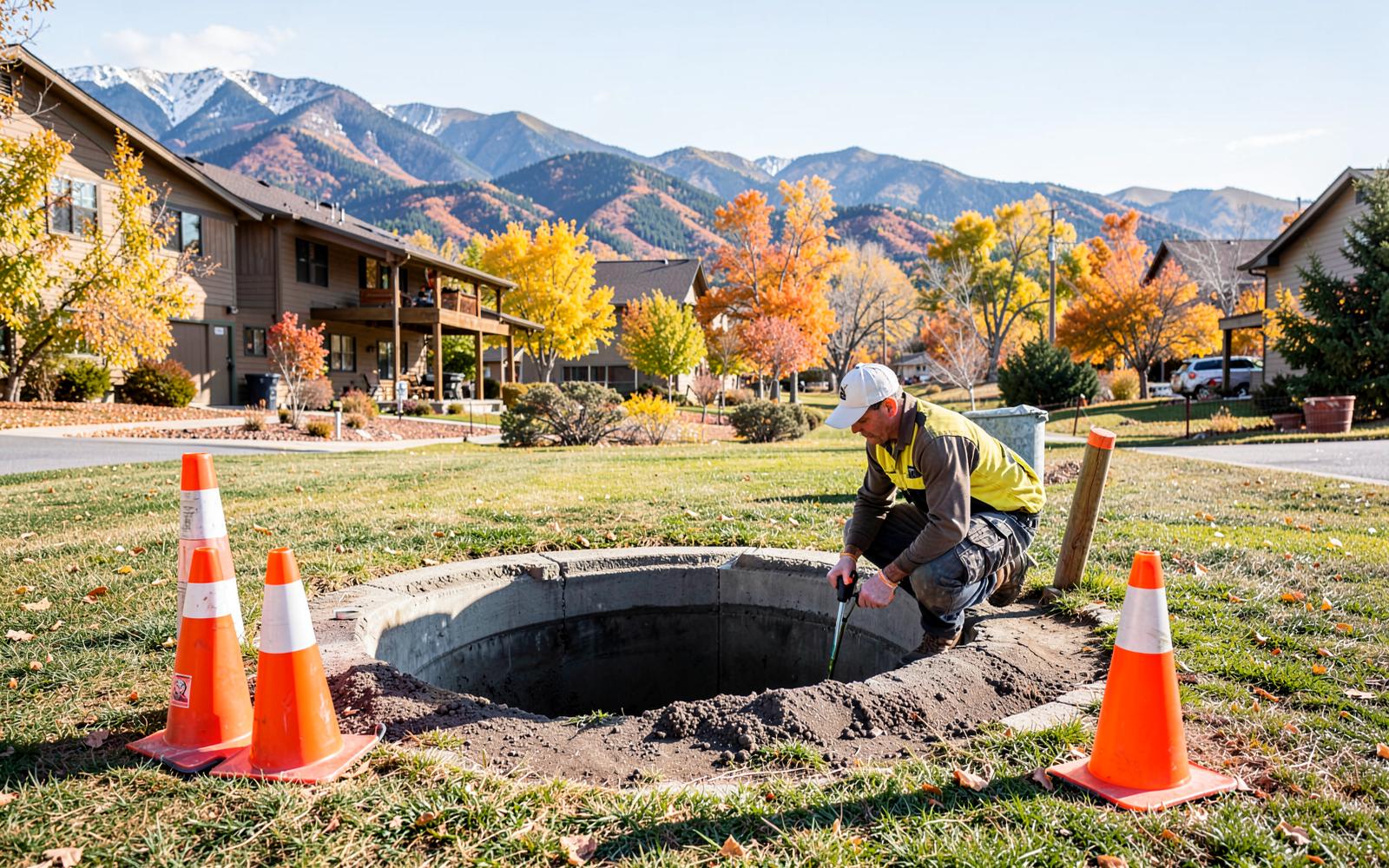
Make sure the area around your main shut-off is accessible and insulated. If your meter pit or well house is exposed, add insulation around it and check that any pit covers seal properly. A frozen meter or pressure regulator can cut water to the entire house.
5. Service Your Water Heater Before Winter
Cold incoming water and increased hot water use in winter put extra load on water heaters. Sediment buildup from Northern Colorado's hard water reduces efficiency and can lead to premature failure.
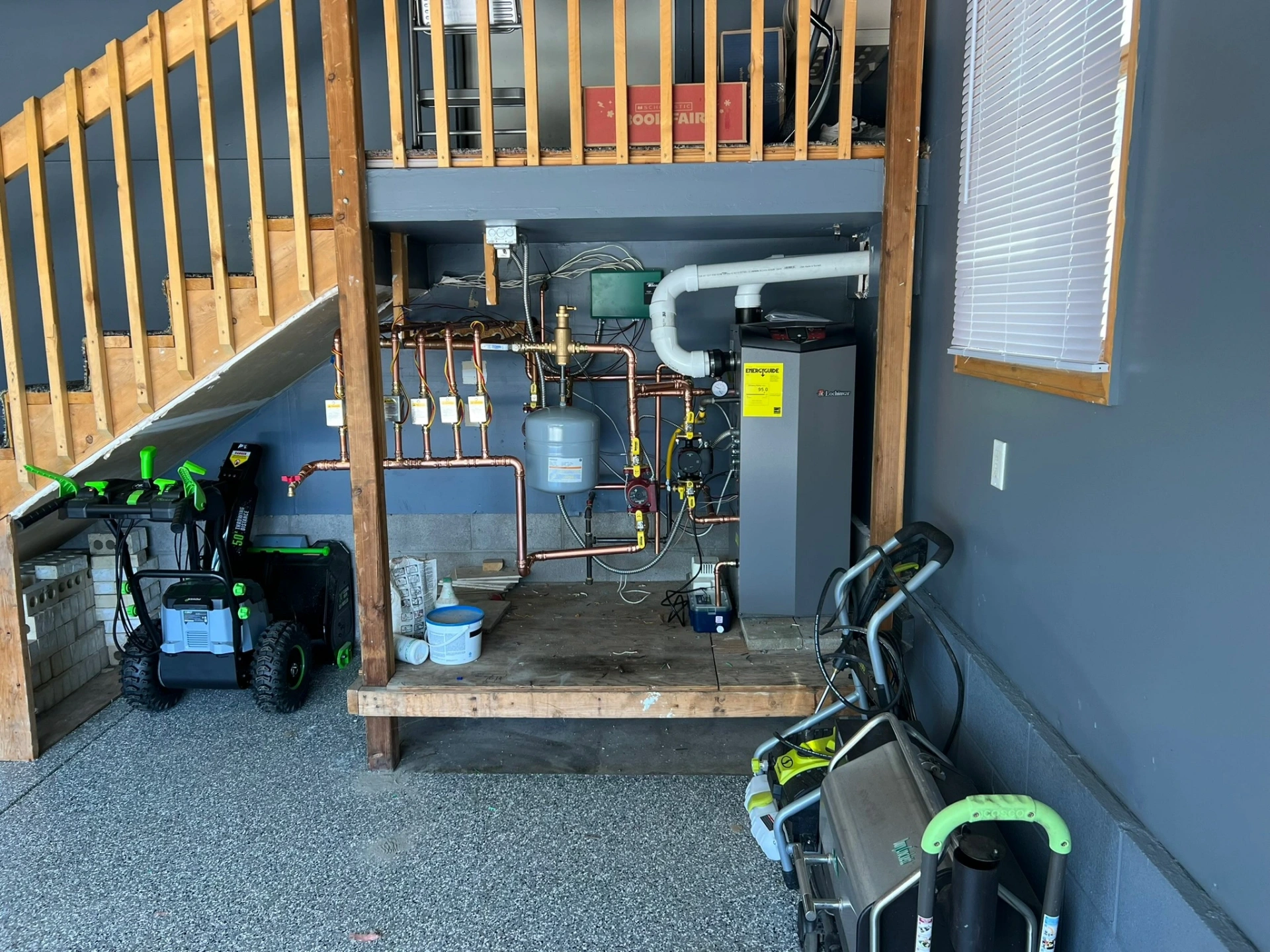
Consider draining and flushing the tank, or have a plumber inspect the anode rod and heating elements. If your water heater is in an unheated garage or basement, pipe insulation around the inlet and outlet lines is especially important.
6. Know What to Do If Pipes Freeze
If a faucet barely drips or stops completely during a cold snap, a pipe may be starting to freeze. Open the faucet fully. Warm the frozen section with a hair dryer or heating pad, starting from the faucet and working back toward the main supply. Never use an open flame.
If you cannot locate the frozen section, if warming does not restore flow, or if a pipe has already burst, shut off the main water valve immediately and call a licensed plumber. Acting fast can prevent extensive water damage.
7. Schedule a Pre-Winter Plumbing Inspection
A licensed plumber can spot risks that homeowners often miss: weak pipe supports, corroded valves, improper insulation, backflow issues, and hidden leaks that could expand when frozen.
For Northern Colorado homes, a pre-winter inspection typically covers outdoor spigots, crawl space pipes, water heater condition, main line entry points, and the pressure regulator. Catching problems early is always less expensive than repairing burst pipes in January.
Protect Your Home This Winter
Winterizing your plumbing is one of the most cost-effective maintenance tasks a homeowner can do. A few hours of preparation can prevent emergency repairs, water damage, and the inconvenience of living without water during a Colorado cold snap.
OnGrade Plumbing & Excavation provides winterization service, pipe insulation, frost-proof spigot installation, and emergency frozen pipe repair across Northern Colorado. We understand Front Range weather and build protection that lasts.