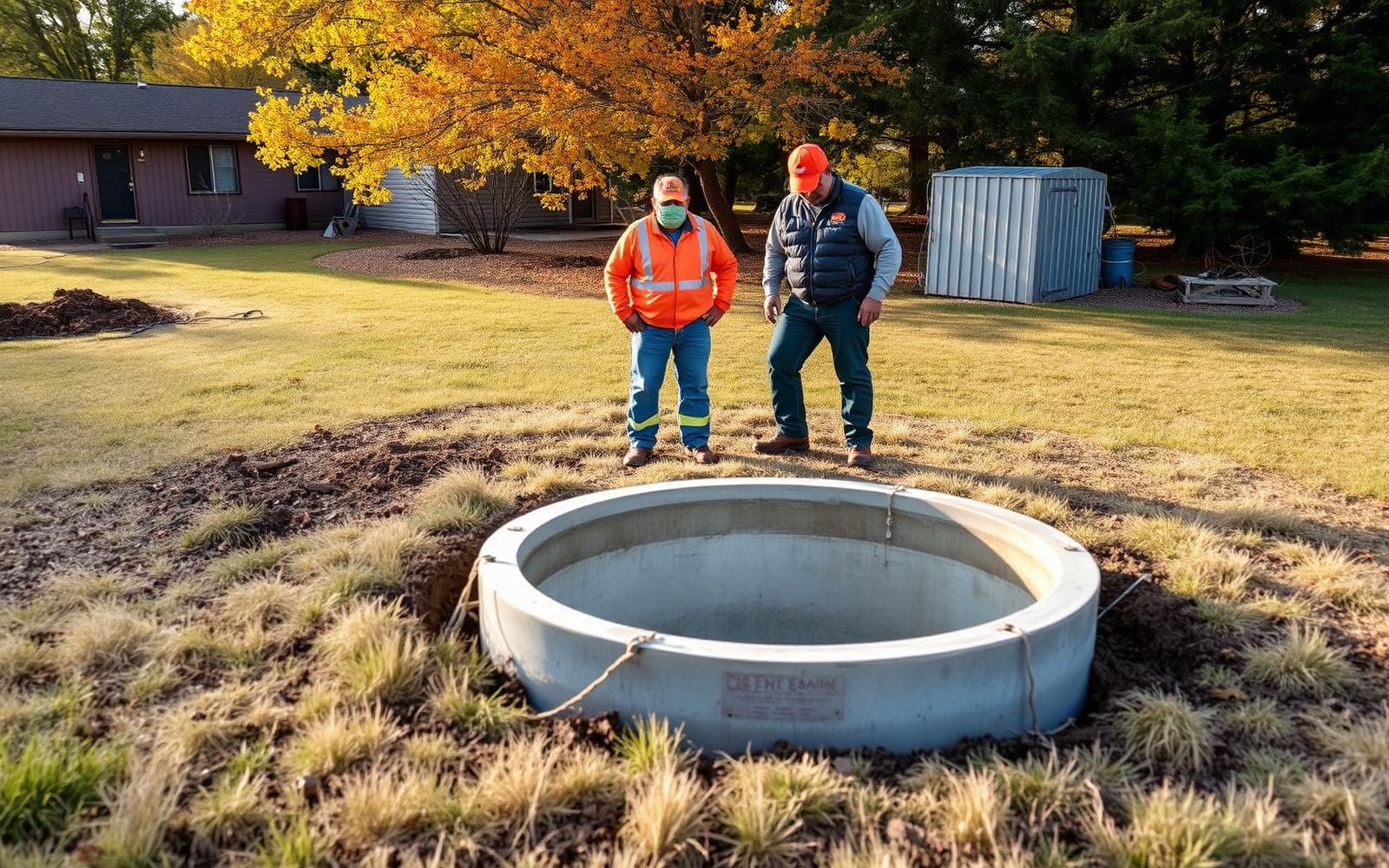
If you live on acreage outside Fort Collins, Loveland, Greeley, or the foothills, your home probably runs on a septic system instead of city sewer. That system quietly handles every drain, toilet, and washing machine cycle — until something goes wrong.
Septic problems rarely appear overnight. They build up over months or years, and the early signs are easy to miss. Knowing what to watch for and following a maintenance routine for the Northern Colorado climate can save you from a failed drain field, an expensive excavation, or a backup inside the house.
How a Septic System Works
A typical residential septic system has two main parts: a buried tank and a drain field. Wastewater from the home flows into the tank, where solids settle to the bottom as sludge and lighter material floats as scum. The clarified liquid in the middle flows out to the drain field, where soil filters it before it returns to the groundwater.
When the tank is not pumped, when the drain field is overloaded, or when the ground freezes and shifts, that balance breaks down. Solids move into the drain field, pipes clog, and wastewater has nowhere to go.
Early Signs Your Septic System Is Failing
Most homeowners notice the small warning signs before a full backup. Catching them early is the difference between a routine pump-out and a drain field replacement.
1. Slow Drains Throughout the House
A single slow sink is usually a local clog. Multiple slow drains — the kitchen, the tub, the laundry, and the toilets all draining sluggishly — point to a problem past the fixtures, in the main line or the tank itself.
If plunging and drain cleaner do not help, or if the issue keeps coming back, the tank may be full or the outlet baffle may be blocked. A camera inspection can confirm the cause before any digging begins.
2. Sewer Odors Indoors or Outside
Healthy septic systems are effectively odorless from the yard. If you smell sewage near the tank, the drain field, floor drains, or vent stacks, gases are escaping where they should not.
Common causes include a full tank, a cracked lid, a dry P-trap, or a failing drain field. Any persistent sewer smell is worth a professional inspection — the odor is usually the first thing homeowners notice before backups start.
3. Soggy Ground or Unusually Green Grass
A wet patch, spongy soil, or a bright green stripe over the drain field is a classic sign of trouble. Wastewater is surfacing instead of filtering through the soil, and the grass loves the extra nitrogen.
In Northern Colorado's dry climate, that contrast stands out. If the ground stays wet after several dry days, or if you see standing water above the tank or lateral lines, treat it as a warning and stop adding load to the system.
4. Gurgling Toilets and Fixtures
Gurgling in toilets, tubs, or floor drains means air is being pushed back through the plumbing instead of venting properly. On a septic system, that usually points to a blocked line between the house and the tank, or a tank that is too full for wastewater to enter freely.
5. Backups Inside the Home
Sewage backing up into a basement floor drain, the lowest-level shower, or a laundry stand pipe is the point where a septic issue becomes an emergency. Stop using water in the home and call a licensed crew — continuing to run fixtures will keep pushing waste into the wrong places.
A Northern Colorado Septic Maintenance Checklist
The Front Range has hard water, wide temperature swings, expansive clay soils, and long stretches without meaningful precipitation. All of those factors shape how a septic system should be maintained.
Pump the Tank on Schedule
Most residential tanks need pumping every three to five years. Larger households, homes with garbage disposals, and properties with older or smaller tanks may need service more often. Keep a record of every pump-out with the date and the pumper's notes.
Ask the pumper to inspect the baffles, the tees, and the lid seals while the tank is open. That is the cheapest time to catch a small problem.
Have the System Inspected Annually
An annual walk-around inspection covers the tank, the drain field, the risers, the lids, and the ground above the laterals. Look for settling, standing water, cracked lids, exposed roots, and vehicle ruts. Weld County, Larimer County, and other Northern Colorado counties also have specific septic inspection rules at property transfer — do not wait for a sale to find out something is failing.
Protect the Drain Field
Never drive or park vehicles, trailers, RVs, or heavy equipment over the drain field. Compaction crushes the lateral lines and destroys the soil's ability to filter. Keep livestock off it too. Do not plant trees or deep-rooted shrubs within thirty feet — cottonwood, willow, and aspen roots are especially aggressive and love the moisture.
Route roof downspouts, sump pump discharge, and any irrigation runoff away from the drain field. Flooding the soil above the laterals prevents wastewater from filtering properly, especially in the spring melt.
Manage What Goes Down the Drain
Septic tanks rely on bacteria to break down waste. Bleach, drain cleaners, paint, solvents, and antibacterial products in large amounts kill that bacteria. Grease, cooking oil, coffee grounds, wipes labeled 'flushable', feminine products, and cat litter all belong in the trash, not the tank.
Water use matters too. A leaking toilet or a running faucet can overload the drain field. Spread laundry loads across the week instead of doing five loads on Saturday.
Prepare the System for Winter
Northern Colorado winters can freeze shallow lines and risers, especially on rural properties with wind exposure and thin snow cover. Before the first hard freeze, add a layer of mulch, straw, or leaves over the tank, the risers, and the drain field. Keep grass a little longer in the fall to trap insulating snow.
During long cold snaps, use water in the home consistently — a system that sits unused is more likely to freeze. If you leave for the winter, have the tank pumped and the lines evaluated before you go.
When to Call for Repair or Replacement
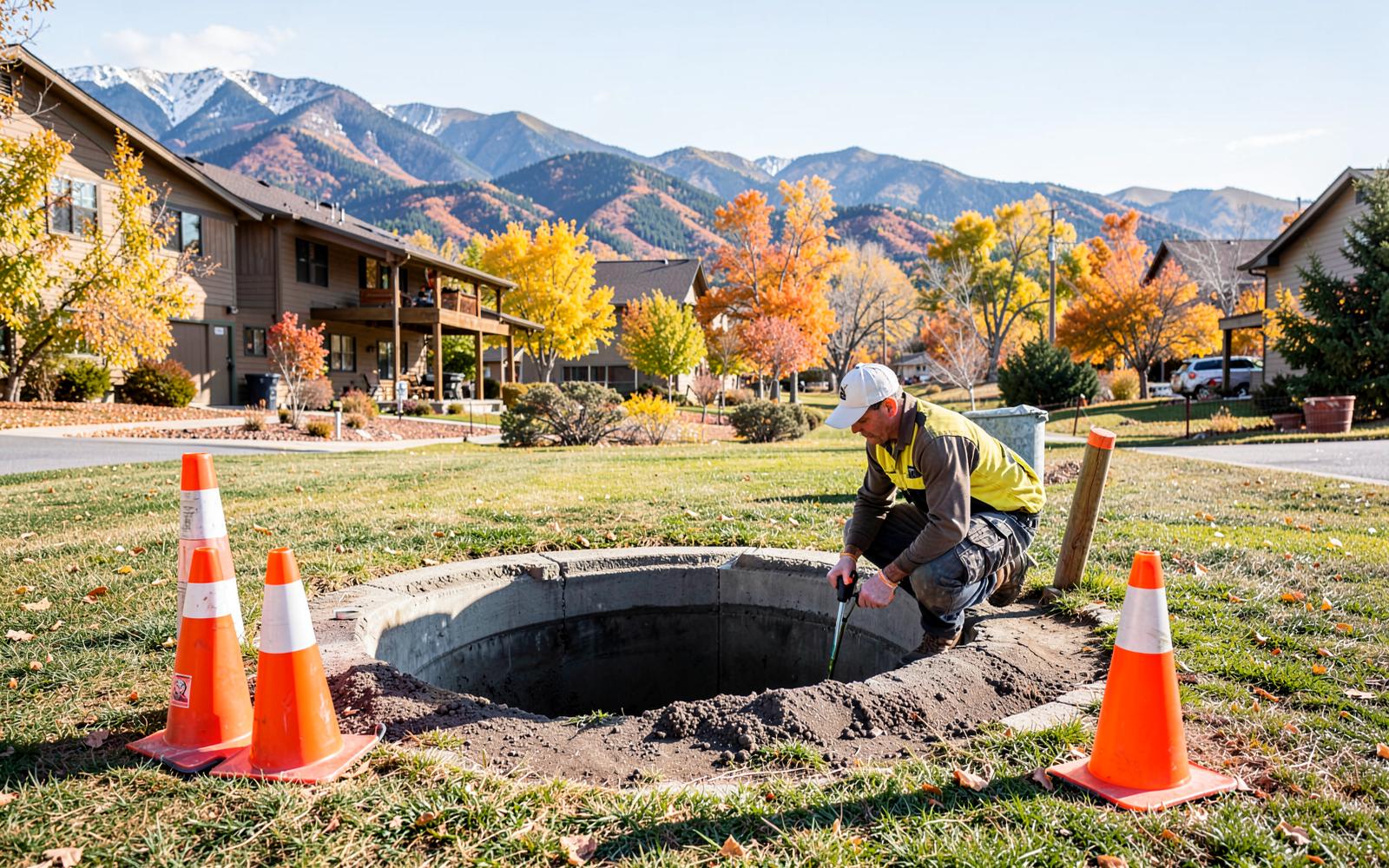
Some problems are truly maintenance items: a pump-out, a baffle repair, a riser reset, or a lid replacement. Others require excavation — a collapsed inlet line, a broken tank, a saturated drain field, or a failing distribution box.
Because OnGrade Plumbing & Excavation handles both the plumbing and the dig, we can diagnose the system, pull permits, coordinate with the county, excavate cleanly, and restore the site — without juggling separate contractors. That matters on rural properties where access, soil conditions, and weather windows are tight.
Schedule Septic Service in Northern Colorado
If you have noticed slow drains, sewer odors, soggy ground, or it has simply been too long since your last inspection, do not wait for a backup. OnGrade Plumbing & Excavation provides septic diagnostics, line repair, tank access work, and full replacement across Northern Colorado.
We locate the tank and laterals, inspect the condition, explain the options honestly, and handle the excavation and plumbing as one coordinated crew.