Choosing a new water heater is not only about replacing an old unit. The right system should match your household's hot water use, available space, fuel source, and long-term budget.
Traditional tank water heaters and tankless water heaters can both provide reliable hot water, but they work differently. Understanding the benefits and limits of each option can help you make a more informed decision.
How Traditional Tank Water Heaters Work
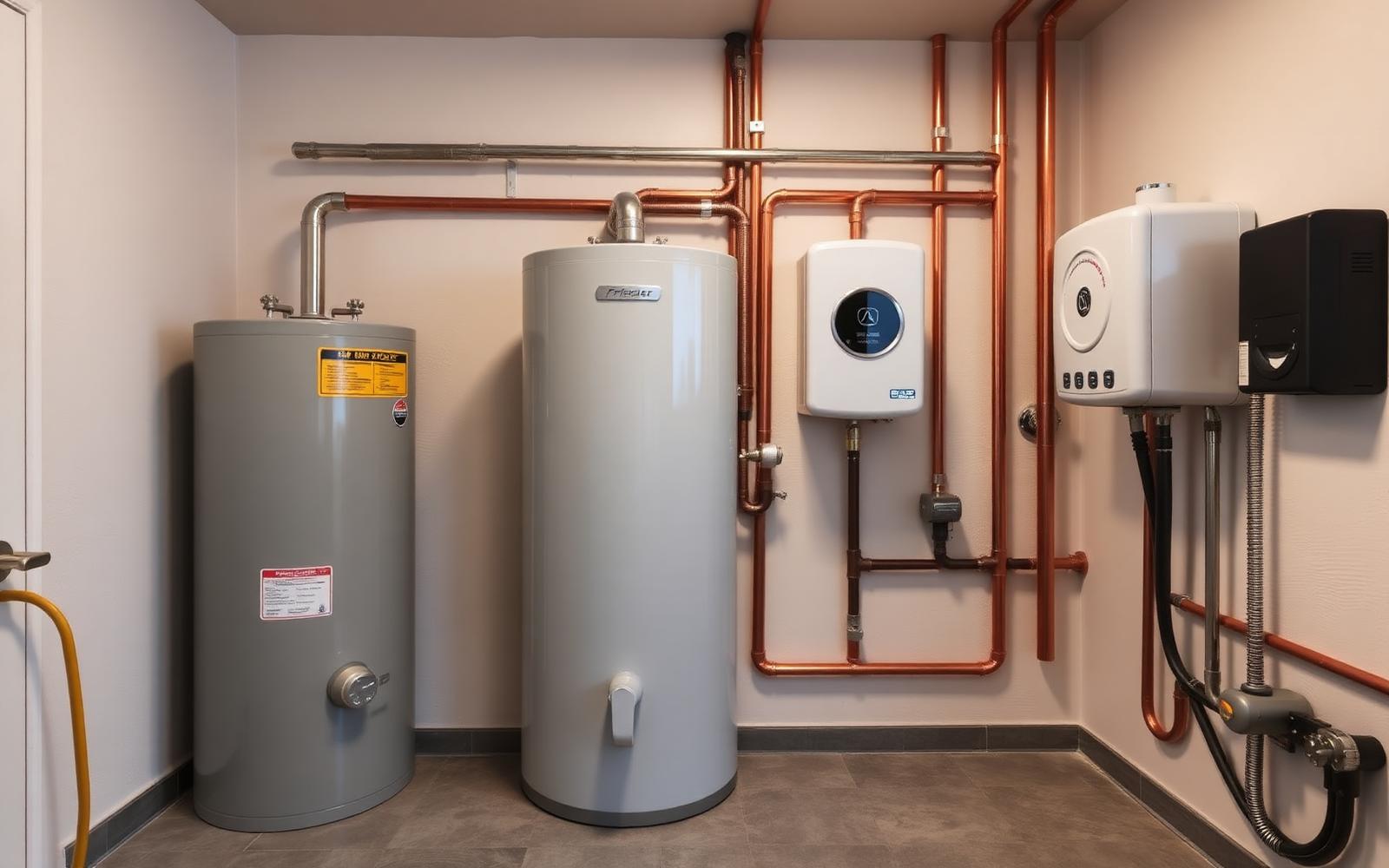
A traditional water heater stores heated water inside an insulated tank. Most residential systems hold between 40 and 75 gallons and keep that water warm until it is needed.
Tank water heaters are common because they are straightforward to install and usually cost less upfront than tankless systems. They can be a practical choice for homes with predictable hot water use and enough space for the equipment.
However, a tank can run out of hot water during periods of heavy demand. It also uses energy to keep stored water warm, even when no one is using it.
How Tankless Water Heaters Work
A tankless water heater heats water only when a faucet, shower, or appliance calls for it. Because there is no storage tank, the system can provide continuous hot water when it is properly sized.
Tankless units take up less space and may reduce standby energy use. They can work well for households that regularly use hot water throughout the day or want to free up space in a utility room.
The installation may require changes to gas lines, venting, electrical service, or water piping. Proper sizing is important because an undersized unit may struggle when several fixtures run at once.
Which Option Costs Less?
Traditional tank water heaters usually have a lower initial installation cost. A like-for-like replacement may also require fewer changes to the existing plumbing and venting.
Tankless systems often cost more upfront because the installation can be more involved. However, they may offer lower energy use, longer equipment life, and fewer limitations on hot water supply.
The best value depends on how long you plan to stay in the home, how much hot water your household uses, and whether upgrades are needed during installation.
Which System Provides Better Hot Water?
A tank water heater can provide strong hot water performance when the tank is sized correctly. Large households may need a bigger tank or faster recovery rate to avoid running out.
Tankless systems provide hot water on demand, but capacity still matters. The unit must be able to handle the combined flow rate of showers, sinks, and appliances that may run at the same time.
A plumber should review your household size, daily routine, fuel type, and incoming water temperature before recommending a system.
Maintenance Requirements
Traditional water heaters may need periodic flushing to remove sediment. The anode rod, temperature and pressure relief valve, shutoffs, and expansion tank should also be checked.
Tankless water heaters may require descaling, especially where mineral buildup is present. Filters, venting, condensate drains, and combustion components may also need routine service.
Regular maintenance helps protect efficiency, reduce breakdowns, and extend the life of either system.
Signs It Is Time to Replace Your Water Heater
Consider replacement if you notice water leaking around the tank or connections, rusty or discolored hot water, inconsistent water temperature, hot water running out faster than before, rumbling, popping, or banging sounds, rising energy bills, or frequent repairs.
A leaking tank usually needs prompt replacement. Other issues may be repairable depending on the condition and age of the unit.
Get the Right Water Heater for Your Home
There is no single water heater that is best for every property. Traditional tanks offer familiar performance and lower upfront costs, while tankless systems provide space savings and continuous hot water when sized correctly.
OnGrade Plumbing & Excavation installs and replaces tank and tankless water heaters throughout Northern Colorado. Our team evaluates your hot water needs, explains the options clearly, and completes the installation to code.