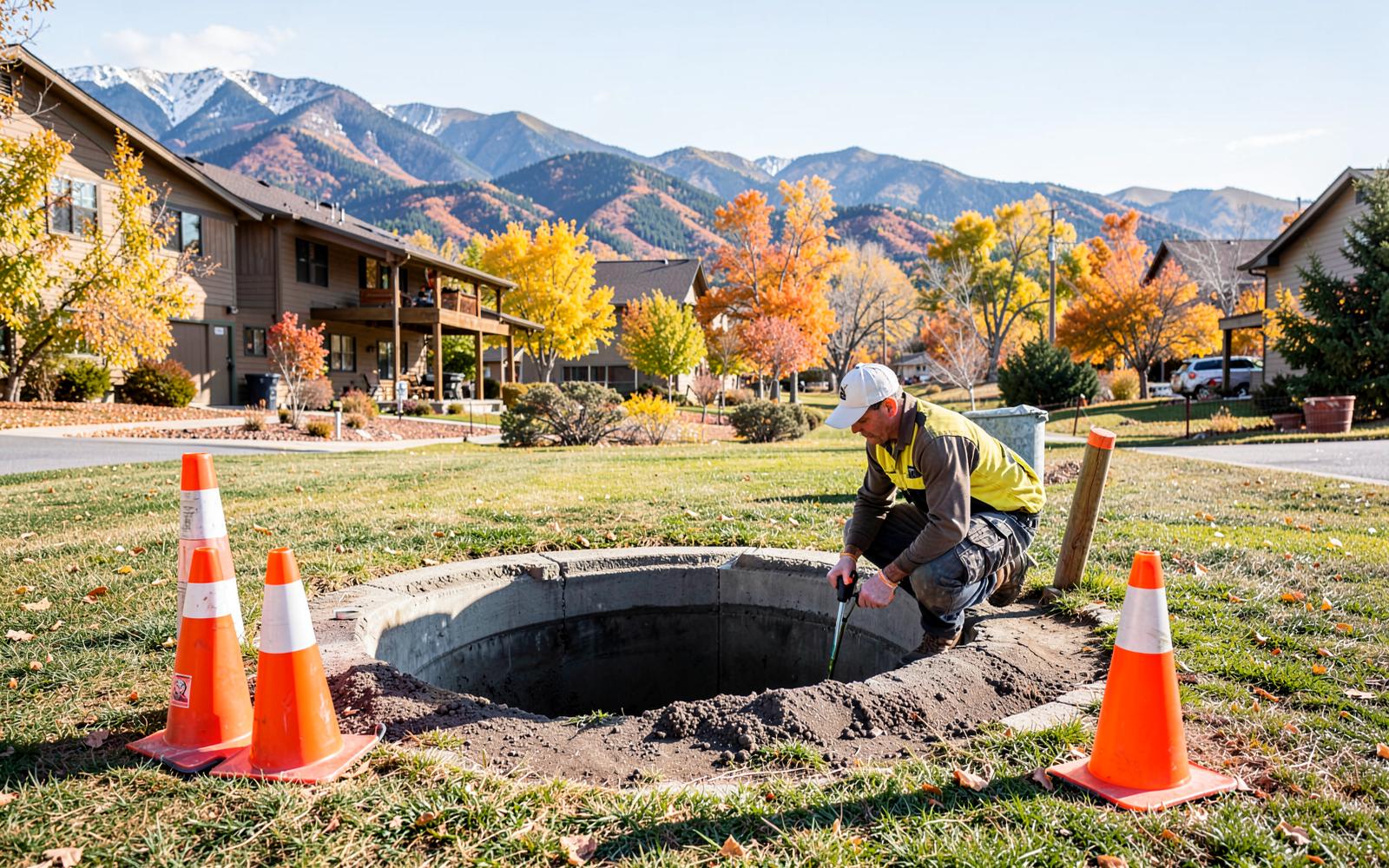
Septic systems need attention before colder weather begins. September is a good time for Northern Colorado homeowners to check for warning signs, schedule service, and make sure the system is ready for heavier fall and winter use.
A neglected septic system can lead to backups, odors, wet yard areas, drainfield problems, and costly repairs. A little maintenance now can protect your home, property, and plumbing system.
Know the Warning Signs
Septic problems often start with small changes. Slow drains, gurgling toilets, sewage odors, wet spots in the yard, and septic alarms are signs that the system needs attention.
Do not wait until sewage backs up into the home. Early inspection can help identify whether the issue is a full tank, clogged line, pump problem, damaged baffle, or drainfield concern.
Check When the Tank Was Last Pumped
Pumping frequency depends on tank size, household size, water use, and system condition. If you cannot remember the last time your septic tank was pumped, it may be time to schedule an inspection.
Pumping removes solids before they overflow into the drainfield. Once solids reach the drainfield, repairs become more complex and expensive.
Protect the Drainfield
Your drainfield is one of the most important parts of the septic system. Avoid parking vehicles, placing heavy equipment, or building structures over the drainfield.
Also keep roof runoff, sump pump discharge, and surface drainage away from the area. Too much water can saturate the soil and prevent wastewater from filtering properly.
Spread Out Water Use
Heavy water use can overload a septic system. Laundry, long showers, dishwashing, and multiple fixtures running at once can push too much water into the tank.
Spread laundry loads throughout the week and fix leaking toilets or faucets. Reducing unnecessary water use helps the tank and drainfield work more efficiently.
Avoid Flushing the Wrong Items
Only toilet paper and human waste should go into the toilet. Wipes, hygiene products, paper towels, grease, and harsh chemicals can clog lines, damage pumps, and disrupt the septic process.
Even wipes labeled as flushable can cause problems. Keeping these items out of the system is one of the easiest ways to prevent backups.
Inspect Risers, Lids, and Baffles
Damaged lids, missing risers, and broken baffles can make service harder and create system issues. Baffles help direct flow inside the tank and prevent solids from entering the drainfield.
A septic technician can inspect these components and recommend repairs when needed. Adding risers may also make future maintenance easier.
Pay Attention to Septic Alarms
If your septic system has a pump or control panel, take alarms seriously. An alarm may indicate high water level, pump failure, float issues, or electrical problems.
Reduce water use and schedule service quickly. Ignoring the alarm can lead to backups or system overflow.
Schedule Septic Service Before Winter
Cold weather can make septic issues harder to handle. Frozen ground, snow cover, and saturated soil can complicate excavation and repairs.
September is a practical time to inspect the system, coordinate pumping, clear lines, repair components, and address drainfield concerns. OnGrade Plumbing & Excavation provides septic diagnostics, repair support, pumping coordination, and code-compliant solutions across Northern Colorado.